
From Scrap to Statement: The World of Asaf Erdemli
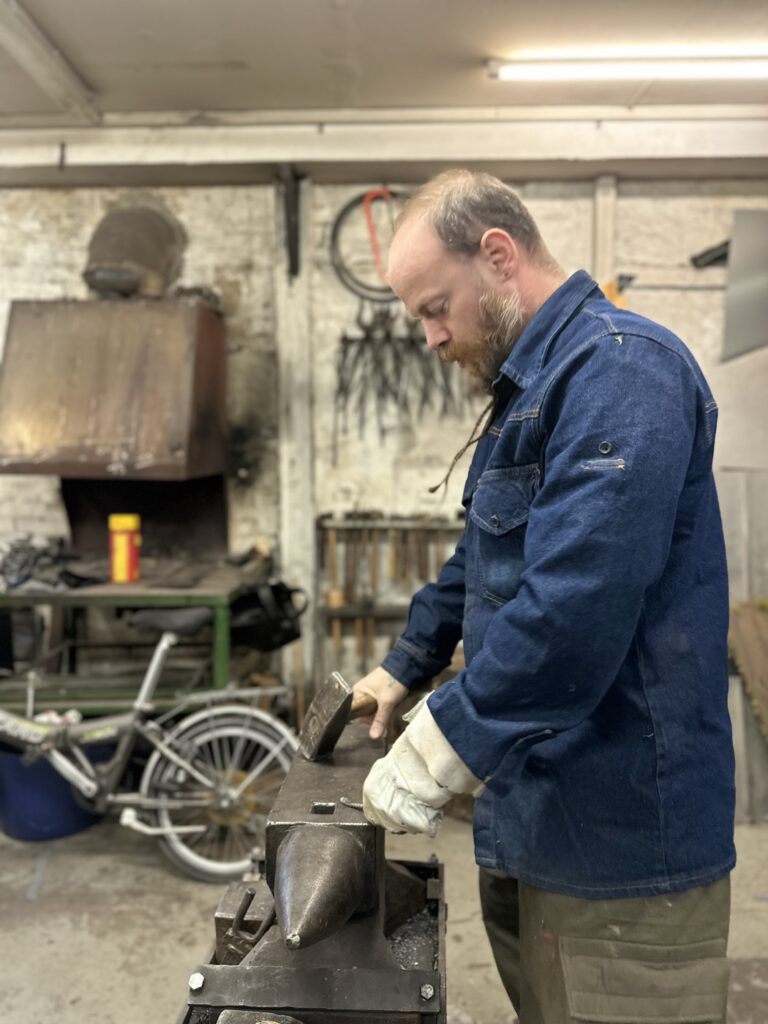
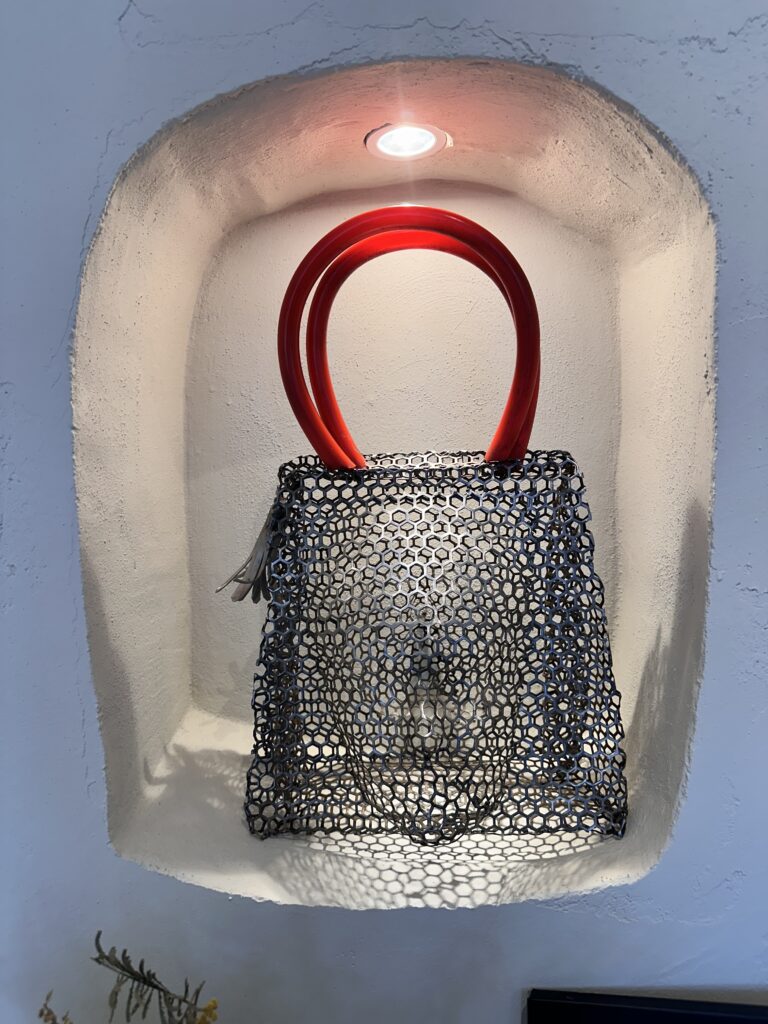
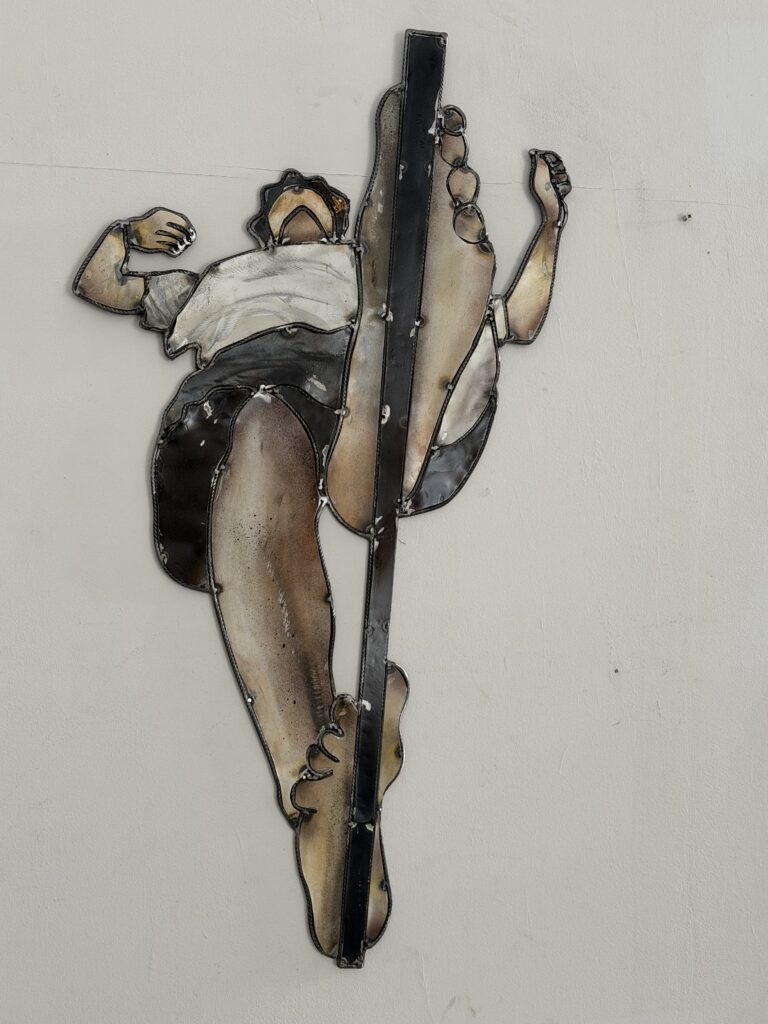
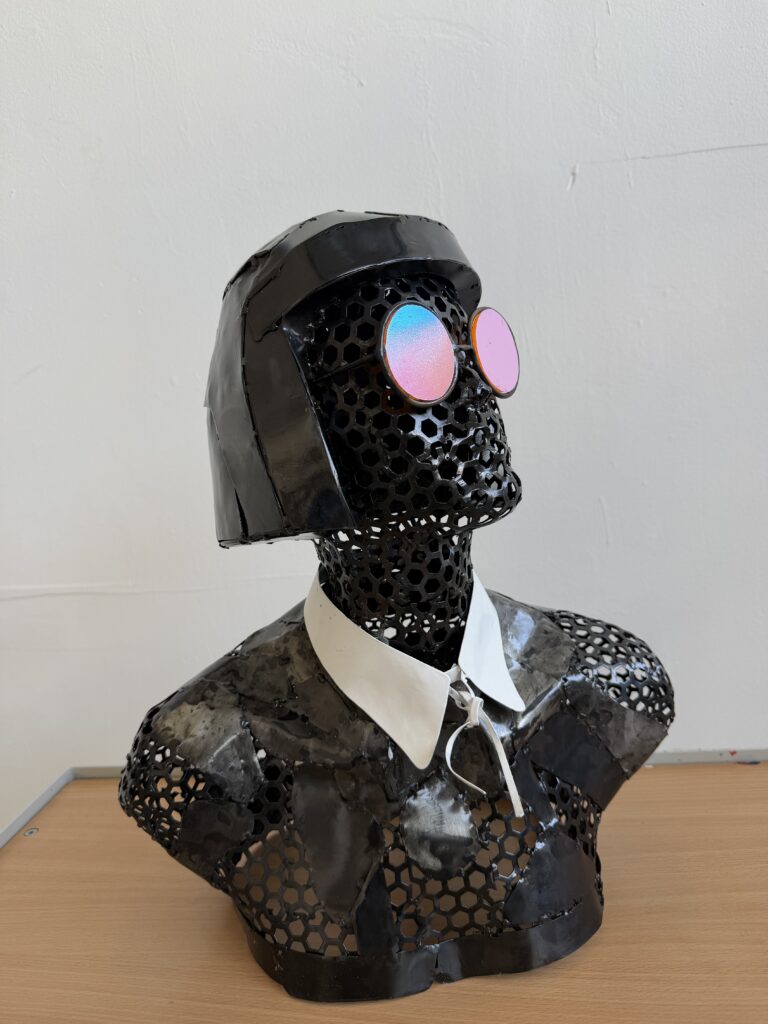
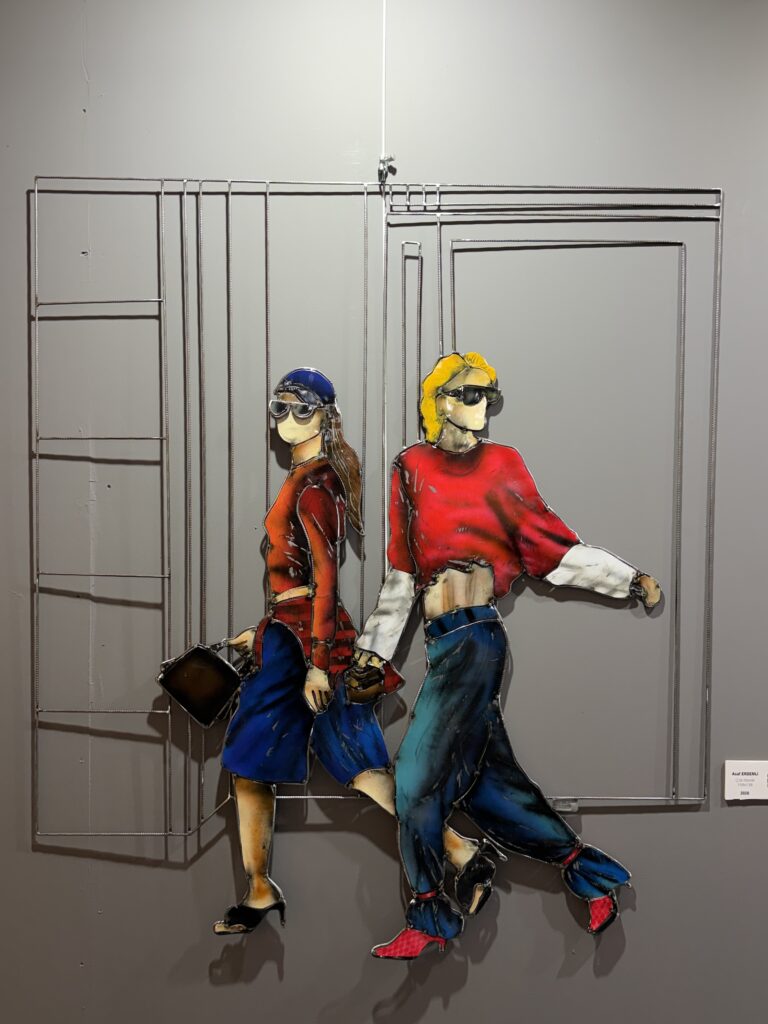
Asaf Erdemli primarily works with metal and recycled materials. In his practice, he investigates mechanisms of manipulation and control as well as patterns of consumption from the past to the present. By operating a kind of recycling plant in his mind, he transforms reflections rooted in the past and extending toward what is consumed today and in the future into contemporary art objects.
You describe your practice as „a recycling plant in the mind.“ Where does that inner process actually begin?
My inner process begins with curiosity. The desire to know and the urge to pursue what is new have always been important to me. I am interested in following the connections between the past, the present, and the future. This is where my idea of “a recycling plant in the mind” comes from.
I constantly collect information by reading, observing, learning, and experiencing. I try to find ways of processing what already exists in the present and carrying it into the future. In that sense, my mind works like a recycling plant that never stops operating—transforming existing knowledge and giving it new meanings and new possibilities.
Metal and recycled materials carry histories. Previous uses, previous owners. How deliberately do you work with that? Does the material ever seem to tell you something before you’ve even touched it?
I am fascinated by the knowledge that materials accumulate between their original purpose and the moment they become scrap. But what interests me even more is the new image they create in our minds the moment we see them.
For me, the process often begins with the desire to possess an object. I want to take it without knowing what it will eventually become. Over time, together with the concepts I work on, that object transforms into a new form of knowledge and a new narrative.
What excites me most is this journey itself. Watching an object leave its previous life behind and gradually gain a new meaning is one of the most rewarding parts of my practice.
A big part of your work is about how people are influenced and controlled without really noticing it. How did you get interested in that? Was there a moment that made you start paying attention to it?
My interest in this subject developed alongside the rapid growth of technology and communication systems. I became curious about how large systems operate, how they keep people connected, and how they shape our collective behaviour.
At some point I started asking myself a simple question: Do I really want the things I want, or has the system taught me to want them?
My readings of Freud, especially his ideas about the unconscious, helped me understand how people can be influenced without realizing it and how new methods are constantly developed to keep these cycles running. I became interested in the way technologies promote the idea of freedom while simultaneously collecting more and more information about individuals. I began to observe a shift from the management of communities to the management of individuals.
Much of my work today grows out of these observations. I try to make invisible systems visible and translate them into physical forms within exhibition spaces.
I grew up in the Black Sea region of Turkey, in a landscape that sometimes reminds me of Berlin’s climate. One day, standing on a mountainside where mobile phones had no signal, many of these questions began for me. It was one of the first moments when I found myself alone with silence and with my own thoughts.
You were a professional dancer and choreographer for nearly a decade, almost in parallel with your sculpture career. How does that still show up in what you make? Do you think about your sculptures differently because of it?
I was involved with dance and dance theatre for nearly twenty years. When I later began studying sculpture, I realised that many of the questions and concepts I was exploring were closely connected in both disciplines.
Because of that, I started using my own body as a tool of expression. My performance works emerged from a desire to investigate the same subjects through a different form of perception.
Over time, I became interested in creating exhibitions that could be experienced through more than just sight. I wanted viewers to engage with a space through all their senses. This is why I continue to work with performance, food art, kinetic sculpture, and other interdisciplinary forms.
What interests me most is creating works that move the audience from being passive observers to active participants. In my recent projects, I have been trying to place the viewer and the artwork on equal ground, creating situations where both can engage in the same process of questioning.
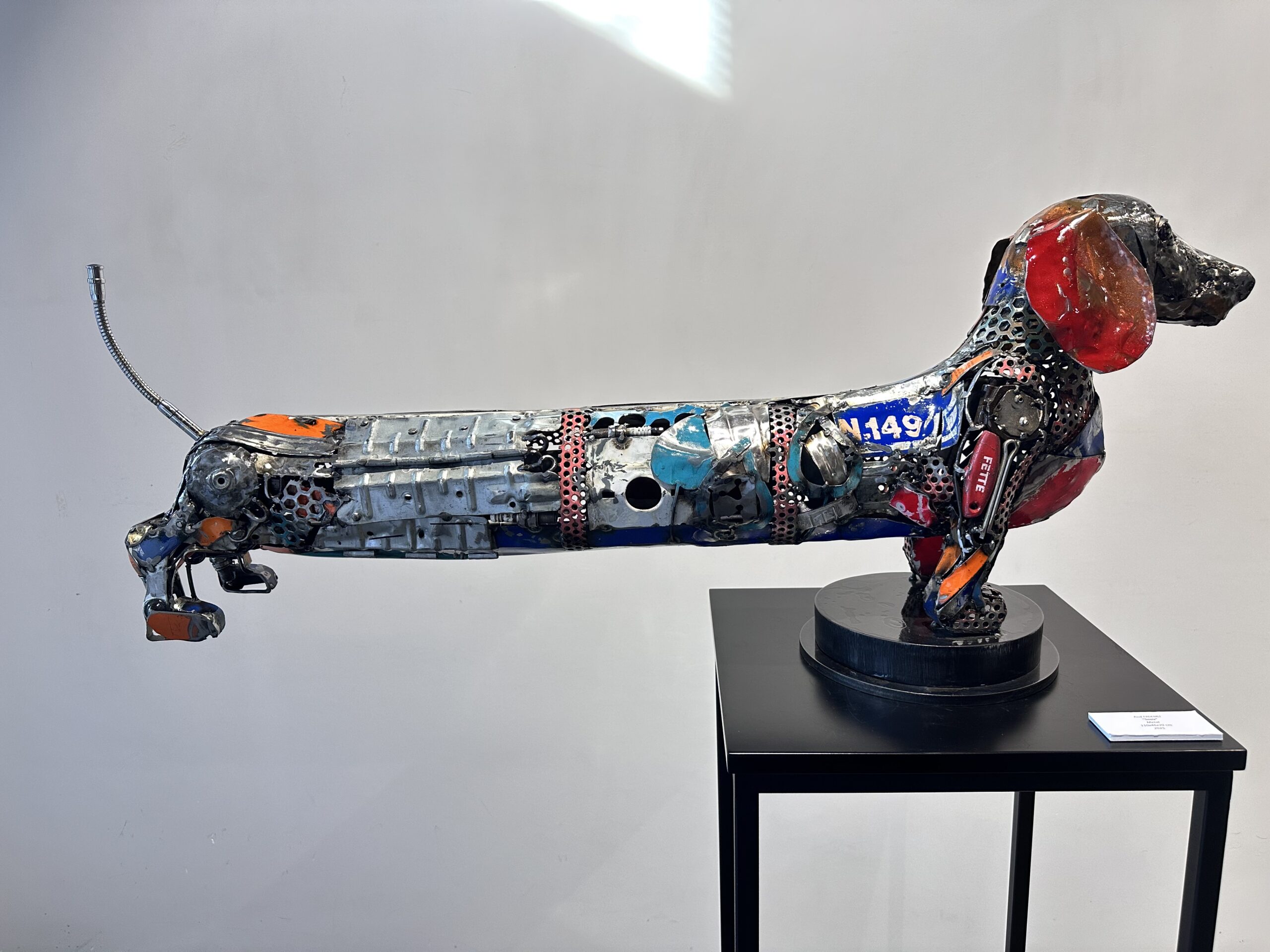
You look at consumption, at what we buy, collect and throw away. What do you think our relationship to objects says about us as a society right now?
There is an old idea that if you want to know someone, you should look at their trash. I think the same applies to societies.
The things we throw away reveal a great deal about our habits, priorities, and values. Living in different countries has made this even more visible to me. The way people engage with second-hand culture, share possessions, or approach sustainability tells us a lot about how a society functions.
In some places, designing products that can last for decades is considered a fundamental principle. In others, rapid consumption is far more dominant. Observing these differences around the world has taught me a great deal.
I often feel that we are caught between two opposing attitudes: those who see the world as something that should be cared for and those who see it as something that exists to serve us. Our relationship with objects reflects that tension very clearly.
You’ve shown at Art Miami, the Louvre fair, and the Qatar Scrap Art Festival, very different contexts. Does the venue change what a piece means? How do you show work about control inside systems that are themselves quite controlling?
Every society has its own mechanisms of control. As an artist, I am interested in identifying those mechanisms and finding ways to stretch or challenge them.
I am always searching for new ways to communicate ideas and new ways of approaching concepts. Expanding the limits of a subject often reveals perspectives that were previously hidden.
I do not think it is possible to completely step outside the system. What we can do is make its structures visible. Through my work, I try to reveal the systems I observe and create spaces where people can become aware of them.
Istanbul, Ankara, Berlin. Three cities with very different relationships to public space and political memory. Has where you’ve lived ever directly shaped what you felt free or compelled to make?
Without question. Although these cities appear very different, I often find similar limitations beneath the surface. Questions of justice, human rights, and personal freedom emerge in different forms wherever you go.
Rather than accepting these structures as they are, I have always felt the need to question them. Much of my artistic practice grows from that impulse.
I try to build my own space of thought within these realities and observe them from there. That distance gives me both freedom and perspective.
You’re now part of KAOS, a coworking space where artists and creatives share space and resources. What brought you here, and how does that way of working fit with what you’re trying to do?
One of the reasons I came to Berlin was to expand my ability to observe new ideas, new perspectives, and possible futures. I wanted to create new questions for myself.
For me, joining KAOS felt like the realization of a dream. I found not only a place where I could develop my work, but also an environment where I could think, share, and create alongside others.
When I moved to another country, I was also trying to remove some of my own boundaries. In many ways, KAOS represents that feeling for me. It represents openness, sharing, and collective creation.
While working here, I have developed a strong sense of belonging. I feel myself growing, learning, and expanding through the people around me. I am deeply grateful to this wonderful organization and to everyone who makes it what it is.